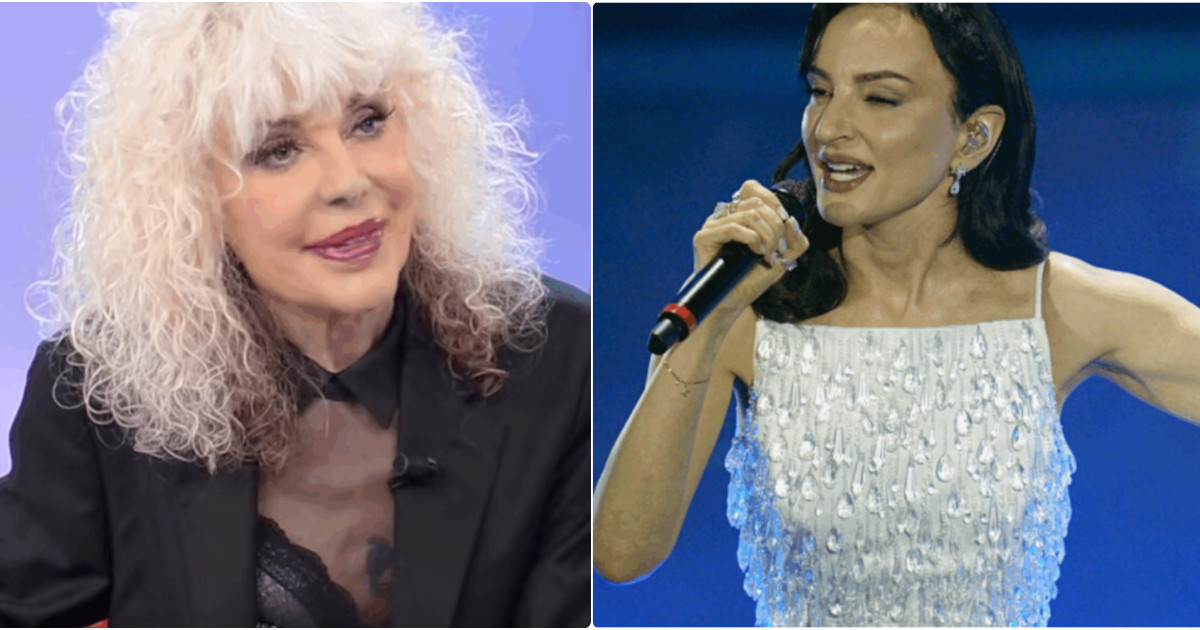
Web Outrage Erupts After Rettore's Body Shaming Comment to Arisa at La Volta Buona
In an era increasingly focused on body positivity and respectful dialogue, a recent incident involving two prominent Italian music figures has ignited a significant debate across social media. Donatella Rettore, a revered icon in Italian music, made a comment about fellow artist Arisa's physique during an appearance on Rai 1's "La Volta Buona," which quickly led to widespread online outrage. The frase Rettore Arisa — "Ingrassa, sei troppo magra!" (Gain weight, you're too thin!) — has been widely criticized as an unsolicited and inappropriate remark on another person's body.
The incident unfolded during the high-stakes week of the Sanremo Festival, a time when artists are already under immense public scrutiny. Arisa, whose real name is Rosalba Pippa, was enjoying a wave of positive reception for her new track, "Magica Favola," making her appearance on "La Volta Buona" a moment of celebration. However, what transpired after her segment quickly overshadowed her professional success and spotlighted a pervasive societal issue: the casual commentary on physical appearance. This moment has sparked a crucial conversation about the impact of such remarks, particularly when made by public figures, and has reinforced the collective sentiment that "comments on people's weight have widely become tiresome."
The Controversial Exchange: What Exactly Happened at La Volta Buona
The stage was set at the "glass" studio of "La Volta Buona," a popular afternoon show hosted by Caterina Balivo, broadcasting live from Sanremo's heart. Arisa, radiant and engaging, had just completed a successful interview, discussing her Sanremo entry, her looks, and career reflections. The atmosphere in the studio appeared relaxed, filled with camaraderie and music-related insights, shared with various commentators including Luca Dondoni, Tommaso Zorzi, and Donatella Rettore.
As Arisa prepared to depart, exchanging farewells and hugs with the studio guests, the seemingly innocuous moment took an unexpected turn. Approaching Rettore, Arisa offered a pleasant "Stai bene" (You're doing well). Rettore's reply, delivered with what appeared to be an affectionate tone, was captured by microphones and heard by countless viewers: "Ciao bellissima, anche tu, e ingrassa che sei troppo magra!" While Arisa seemed to gracefully sidestep the remark without a direct response, its reverberations were immediate and widespread across the web. The Rettore's "Ingrassa" to Arisa: Sanremo Weight Comment Controversy Erupts became an instant topic of discussion, highlighting the public's growing intolerance for such personal criticisms.
This specific frase Rettore Arisa quickly became the focal point of online discussions, demonstrating how even an ostensibly well-intentioned or familiar comment can be perceived as intrusive and harmful. The context of their long-standing careers in the music industry might have suggested a level of familiarity, yet the public reaction underscored that boundaries exist, especially concerning physical appearance.
The Roaring Backlash: Why the Web Reacted So Strongly
In mere minutes following the live broadcast, social media platforms like X (formerly Twitter) and TikTok exploded with reactions. Users shared clips of the moment, expressing disbelief and anger. "Did anyone else hear her say 'gain weight because you're thin'?" one user queried, capturing the collective shock. Another echoed a sentiment shared by many: "Comments on people's weight/physical appearance have widely become tiresome!"
The intensity of the backlash stemmed from several factors:
- Normalization of Body Shaming: Many users pointed out that commenting on someone's body, whether they are perceived as "too thin" or "too heavy," is a form of body shaming. It perpetuates the idea that people's bodies are public property, open for unsolicited critique and advice.
- Unsolicited Advice: The comment, despite any presumed affectionate intent, was entirely unsolicited. It implies that Arisa's body needed "fixing" or was somehow deficient, even as she was celebrating a professional high.
- Impact on Body Image: In an age where body image issues are prevalent, especially among younger generations, such remarks from public figures can be particularly damaging. They reinforce unrealistic beauty standards and contribute to self-consciousness.
- Public Figures as Role Models: Artists like Rettore and Arisa are influential. When public figures engage in such dialogue, it can inadvertently normalize similar behavior among the general populace. The expectation is for them to lead by example in promoting respect and inclusivity.
- The "Too Thin" Fallacy: While often overlooked in discussions about body shaming, telling someone they are "too thin" can be just as harmful as telling someone they are "too fat." Both comments are judgmental and can cause distress, regardless of the perceived "positive" or "negative" intent. The "Ingrassa, sei troppo magra": The Arisa-Rettore Phrase That Shocked Sanremo highlighted the double standard often applied to body comments.
The collective anger wasn't just about one isolated comment but about a broader societal exhaustion with constant scrutiny over appearances. It reflects a growing demand for a culture where individuals, regardless of their public status, are respected for who they are, not for how their bodies conform to others' expectations.
Beyond the Comment: Understanding the Broader Implications of Body Shaming
The incident involving the frase Rettore Arisa serves as a potent reminder of the pervasive nature of body shaming and its detrimental effects. While some might dismiss the comment as a trivial or even "complimentary" observation, its impact can be profound. Body shaming, whether subtle or overt, contributes to a culture where individuals feel pressured to meet specific aesthetic ideals, often leading to:
- Decreased Self-Esteem and Body Confidence: Constant commentary, even from well-meaning individuals, can erode an individual's confidence in their own body, leading to self-doubt and anxiety.
- Development of Eating Disorders: Pressure to conform to a certain body type, whether to gain or lose weight, can be a significant trigger for the development of eating disorders.
- Mental Health Issues: Body shaming is linked to increased rates of depression, anxiety, and body dysmorphia. The feeling of being judged or inadequate based on one's appearance can be incredibly isolating.
- Negative Social Impact: It creates an environment where physical appearance is prioritized over character, talent, or intelligence, fostering superficiality and prejudice.
Public figures, by virtue of their visibility, carry an added responsibility. Their words resonate further and can inadvertently endorse behaviors that are harmful. This incident underscores the ongoing need for media personalities and the general public alike to cultivate greater awareness and sensitivity regarding comments about physical attributes. It's a call to shift from a culture of critique to one of acceptance and respect for diverse body types.
Fostering a Culture of Respect: Practical Steps for Mindful Communication
The online uproar following the frase Rettore Arisa provides a valuable opportunity to reflect on our own communication habits and strive for more respectful interactions. Here are some practical tips and insights to foster a more considerate environment, both online and offline:
- Question Your Intent: Before commenting on someone's physical appearance, ask yourself: Is this comment necessary? Is it helpful? Does it add value to the conversation, or is it merely a judgment? More often than not, observations about weight or body shape are neither.
- Focus on What Truly Matters: Instead of focusing on appearance, compliment people on their achievements, their kindness, their talent, or their humor. Shift the focus from the superficial to the substantive.
- Embrace Body Neutrality: While body positivity encourages loving one's body, body neutrality suggests simply accepting and respecting one's body (and others' bodies) without needing to feel intensely positive or negative about it. It means recognizing that a person's worth is not tied to their physical form.
- Lead by Example: As public figures are under scrutiny, so too are individuals in their daily lives. By consciously refraining from commenting on others' bodies, we contribute to creating a safer, more inclusive social environment.
- Educate Yourself and Others: Understand the psychological and social impact of body shaming. Share resources and engage in conversations that promote healthy body image and respectful communication.
- Remember the Golden Rule: If you wouldn't want someone to say it to you, don't say it to them. This simple principle is a powerful guide for all social interactions.
Ultimately, this incident highlights a growing societal fatigue with unsolicited comments on physical appearance. It's a clear message from the public that it's time to move beyond trivializing or scrutinizing bodies and instead celebrate individuals for their entirety, respecting their autonomy and dignity.
Conclusion
The controversy surrounding Donatella Rettore's comment to Arisa at "La Volta Buona" serves as a stark reminder of the enduring prevalence of body shaming and the powerful, unified backlash it can provoke in today's digital age. The frase Rettore Arisa, "Ingrassa, sei troppo magra," quickly transitioned from an in-studio remark to a national conversation, underscoring the public's heightened awareness and intolerance for unsolicited comments on physical appearance. While the intent behind the words may have been affectionate, their impact was unequivocally negative, igniting vital discussions about personal boundaries, media responsibility, and the ongoing struggle for body acceptance. As we move forward, this incident reinforces the collective call for greater sensitivity, empathy, and a fundamental shift towards appreciating individuals for their character and contributions, rather than their physical form.