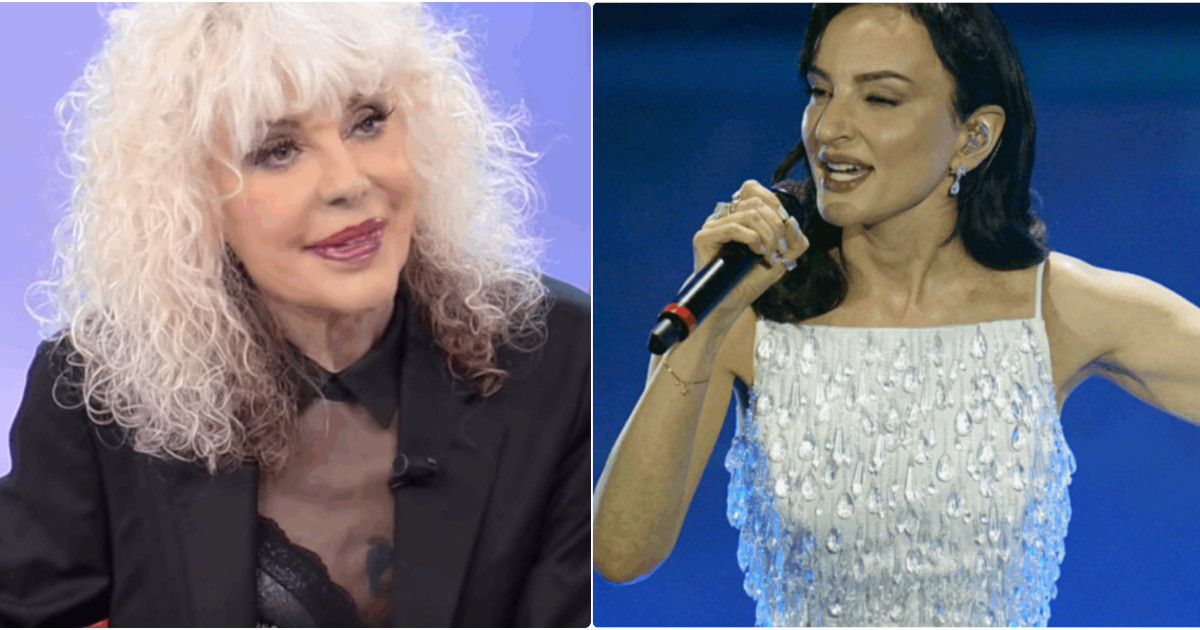
Rettore's "Ingrassa" to Arisa: Sanremo Weight Comment Controversy Erupts
The dazzling spectacle of the Sanremo Music Festival, typically a celebration of Italian music and fashion, unexpectedly became the stage for a simmering debate on body image and celebrity commentary. At the heart of the discussion is a specific phrase uttered by veteran singer Donatella Rettore to fellow artist Arisa: "Ingrassa, sei troppo magra" (Gain weight, you're too thin). This seemingly innocuous, perhaps even well-intentioned, comment quickly ignited a firestorm across Italian social media, underscoring a broader societal fatigue with unsolicited remarks about physical appearance. The incident, unfolding during a Sanremo-themed segment of the popular Rai 1 show "La Volta Buona," highlighted the delicate balance between casual banter and potentially harmful dialogue, especially when amplified by the public gaze. The swift and overwhelming online backlash against the frase Rettore Arisa shared reflects a growing collective consciousness regarding body shaming and the impact of public discourse on self-esteem.The Incident Unfolds: A Sanremo Backstage Moment Gone Awry
The setting was "La Volta Buona," the daily afternoon show hosted by Caterina Balivo, which had transformed its set into a vibrant Sanremo hub, broadcasting live from a glass studio near the iconic Ariston Theatre. Throughout Sanremo week, the show hosted many of the festival's protagonists, with a rotating panel of commentators offering insights. Donatella Rettore, known for her distinctive style and long career, was among these fixed opinionistas, tasked with dissecting the festival's daily happenings. On February 25th, one of Sanremo's most beloved and successful contestants, Arisa (Rosalba Pippa), appeared on the show. Arisa was enjoying a triumphant run with her song "Magica Favola," garnering praise from critics, radio stations, and the public alike, consistently placing high in the preliminary rankings. Her segment on "La Volta Buona" was marked by warmth and camaraderie, as she discussed her performance, chosen looks, and the pressures of the festival with Balivo and the other guests. As Arisa prepared to depart the studio, bidding farewell to those present, a moment of seemingly affectionate exchange took place with Rettore. Arisa embraced her, saying "Stai bene" (You look good/Be well) as she left. Rettore reciprocated with a reply that would soon reverberate across the internet: "Ciao bellissima, anche tu, e ingrassa che sei troppo magra!" (Hello beautiful, you too, and gain weight because you're too thin!). While the words were uttered in a seemingly genial, almost whispered tone, caught by the microphones and keen ears of the audience, Arisa herself appeared to brush off the comment without a direct response. However, the online world was far less forgiving. Viewers immediately seized upon the remark, questioning its appropriateness and pointing out the inherent problem in commenting on someone's physical form. This casual exchange, intended perhaps as a compliment or concern between colleagues, quickly became a flashpoint, demonstrating how even words spoken with apparent affection can be perceived as intrusive and damaging in the public sphere."Ingrassa, Sei Troppo Magra": Why the Frase Rettore Arisa Ignited a Firestorm
The immediate and widespread uproar following Rettore's comment to Arisa wasn't just about a single, isolated remark; it tapped into a deep-seated frustration regarding societal norms surrounding body image. The specific frase Rettore Arisa delivered – "Ingrassa, sei troppo magra!" – became a lightning rod because it perfectly encapsulated a problematic habit: the unsolicited commentary on an individual's weight or physical appearance. In an era increasingly attuned to the nuances of body shaming, mental health, and the pervasive pressures of diet culture, such remarks, regardless of their perceived intention, are often met with strong condemnation. Social media platforms like X (formerly Twitter) and TikTok quickly became forums for debate. Users expressed their exasperation, with many echoing the sentiment: "I commenti sul peso delle persone hanno ampiamente stufato!" (Comments on people's weight/physical appearance have widely tired us out!). This widespread sentiment reflects a growing global movement towards body neutrality and body positivity, advocating for respect for all body types and a cessation of the constant scrutiny applied to physical forms. When public figures, especially those in positions of influence or seniority, make such comments, it inadvertently normalizes a behavior that can have detrimental effects on individuals' self-esteem and mental well-being. The controversy highlighted several critical aspects:- The "Good Intention" Fallacy: Often, comments about weight are framed as concern or a compliment ("You look healthy if you gain weight," or "You look good when you're thin"). However, the impact on the recipient can be negative, irrespective of the speaker's intent.
- The Public Scrutiny on Celebrities: Public figures like Arisa are constantly under the microscope, with their appearance frequently discussed, judged, and dissected. A seemingly casual remark from a peer adds another layer to this intense pressure.
- The Normalization of Weight Comments: The incident brought to light how ingrained the habit of commenting on weight is in daily conversation, even among friends or family, and how challenging it can be to dismantle.
Beyond the Headlines: The Broader Implications of Body Shaming
The Sanremo controversy, sparked by the frase Rettore Arisa exchange, extends far beyond a simple exchange between two artists. It serves as a microcosm of a much larger societal challenge: the pervasive nature of body shaming and the subtle ways it manifests in everyday interactions. The incident compels us to look beyond immediate reactions and consider the long-term impact of such comments, even when delivered with apparent affection or concern.Understanding the Harmful Cycle
When someone comments on another person's weight – whether suggesting they gain or lose – it reinforces the idea that an individual's worth, health, or attractiveness is intrinsically linked to their size. This creates immense pressure, particularly on young people and those already struggling with body image issues. It can contribute to:
- Body Dysmorphia: A mental health condition where a person can't stop thinking about one or more perceived flaws in their appearance.
- Disordered Eating: Unhealthy eating behaviors, which can range from chronic dieting to more severe eating disorders.
- Low Self-Esteem: Constant external validation or criticism about appearance erodes internal self-worth.
- Anxiety and Depression: The stress of meeting societal beauty standards can significantly impact mental health.
The "good intention" often cited by those making such remarks fails to acknowledge the impact. True concern for someone's well-being should focus on their overall health, happiness, and actions, rather than their physical dimensions.
Practical Tips for Fostering Body Positivity and Respectful Communication
This incident provides an opportunity for collective introspection and actionable change:
- Think Before You Speak: Before commenting on someone's appearance, ask yourself: Is it necessary? Is it kind? Is it my place? If the answer to any is no, refrain.
- Focus on Non-Physical Compliments: Instead of "You look thin/healthy," try "You look happy," "That outfit suits your personality," or "I love your energy." Celebrate achievements, kindness, intelligence, and talent over physical attributes.
- Challenge Internalized Biases: We all absorb societal messages about ideal body types. Actively work to unlearn these biases and appreciate the diversity of human forms.
- Set Boundaries: If you are on the receiving end of unsolicited body comments, it's okay to set boundaries. A simple "I'd prefer not to discuss my weight" or changing the subject can be effective.
- Be an Ally: If you witness someone making an inappropriate comment, gently intervene or change the topic to redirect the conversation positively.
- Media Literacy: Recognize how media, advertising, and even entertainment often perpetuate unrealistic body ideals. Be critical consumers and advocate for more inclusive representation.
The role of public figures and the media in this dialogue is paramount. Celebrities have a platform to promote health, self-acceptance, and diverse body images, thereby influencing cultural norms positively. Every casual remark, like the one captured in the frase Rettore Arisa moment, carries weight and contributes to the ongoing conversation about respect, empathy, and body autonomy.