"Ingrassa, sei troppo magra": The Arisa-Rettore Phrase That Shocked Sanremo
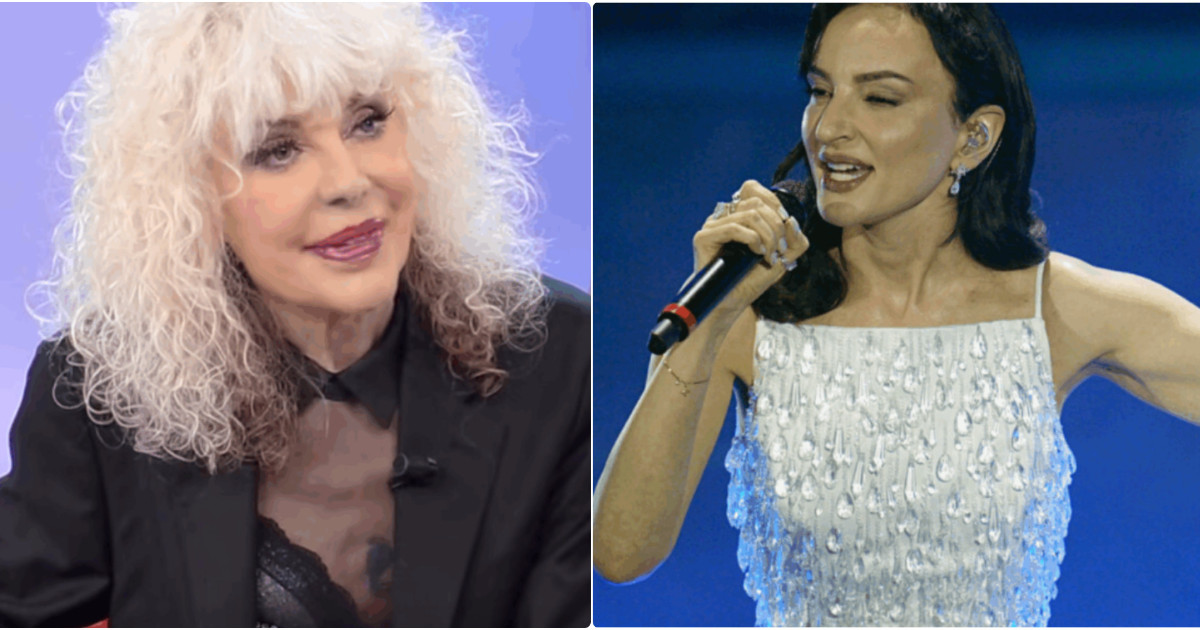
The Sanremo Music Festival, Italy's most prestigious musical event, is a crucible of talent, emotion, and sometimes, unexpected controversy. While the spotlight typically shines on electrifying performances and dazzling outfits, a single, unscripted Rettore's "Ingrassa" to Arisa: Sanremo Weight Comment Controversy Erupts sent shockwaves far beyond the Ariston Theatre. The now-infamous "Ingrassa, sei troppo magra" (Gain weight, you're too thin) uttered by music icon Donatella Rettore to singer Arisa quickly became the focal point of a heated online debate, sparking a crucial conversation about body image, unsolicited comments, and the responsibility of public figures.
This incident, centered around the direct and personal "frase rettore arisa," transpired during a live television segment adjacent to the festival, proving that even a seemingly affectionate remark can ignite a wider discussion on societal norms and sensitivities regarding appearance.
The Unscripted Moment: What Happened at "La Volta Buona"
The scene was the "La Volta Buona" show, hosted by Caterina Balivo, broadcast from a glass studio just steps away from the bustling Ariston Theatre. As part of its extensive Sanremo coverage, the program welcomed various festival protagonists, including the much-loved Arisa (real name Rosalba Pippa), who was enjoying considerable success with her song "Magica Favola." Arisa's performance had garnered widespread acclaim, placing her high in critics' and public rankings – truly a magical moment in her career.
Among the regular commentators on "La Volta Buona" was Donatella Rettore, a revered figure in Italian music, known for her distinctive style and outspoken personality. The atmosphere in the studio was reportedly relaxed, filled with discussions about music, fashion, and the pressures of the festival. Arisa engaged playfully and openly, sharing insights into her career and festival preparations.
However, as Arisa prepared to depart the studio, a seemingly innocuous farewell turned into the flashpoint for controversy. After receiving compliments and an embrace from Rettore, Arisa bid farewell, saying "Stai bene" (You're well). Rettore's response, delivered with what appeared to be an affectionate tone, was captured by microphones and television cameras: "Ciao bellissima, anche tu, e ingrassa che sei troppo magra!" (Hello beautiful, you too, and gain weight because you're too thin!). Arisa's reaction was minimal, seemingly choosing to let the comment pass without direct acknowledgment.
While Rettore's intent might have been a casual, perhaps even caring, remark among colleagues, the impact was immediate and widespread, particularly online. The Web Outrage: Rettore's Body Shaming Comment to Arisa at La Volta Buona quickly escalated, turning a fleeting moment into a significant media discussion.
A Digital Firestorm: The Web Reacts to the "Ingrassa" Phrase
In today's hyper-connected world, unscripted comments on live television rarely go unnoticed. Within minutes of Rettore's remark, social media platforms like X (formerly Twitter) and TikTok buzzed with outrage. Users swiftly shared clips of the incident, expressing their disbelief and condemnation.
The sentiment was clear and overwhelming: "I commenti sul peso/aspetto fisico delle persone hanno ampiamente stufato!" (Comments on people's weight/physical appearance have widely tired us out!) became a rallying cry. Many echoed this frustration, highlighting a collective weariness with unsolicited advice and judgments about physical appearance, particularly towards women and public figures. The incident was widely perceived as a form of body shaming, regardless of Rettore's possible intention.
Why did the "frase rettore arisa" ignite such a strong reaction?
- The Public Platform: The comment was made on live national television, amplifying its reach and impact.
- Celebrity Scrutiny: Public figures, especially women in entertainment, are constantly under pressure to conform to often unrealistic beauty standards.
- The Growing Body Positivity Movement: There's a strong societal shift towards body neutrality and positivity, advocating for respect for all body types and discouraging comments on others' weight or appearance.
- Personal Impact: Many users shared personal experiences of being on the receiving end of similar comments, emphasizing the potential harm, even when meant "well."
This digital firestorm underscored a significant cultural shift: what might have once been dismissed as a casual, even endearing, remark is now rightly scrutinized for its underlying implications and potential harm.
Beyond the Comment: Why "Ingrassa" Struck a Nerve
The "frase rettore arisa" wasn't just about two celebrities; it became a microcosm of a larger, ongoing societal debate about body image, self-esteem, and appropriate public discourse. For many, Rettore's comment, however affectionate, represented a pervasive and problematic habit of commenting on others' bodies, perpetuating a culture where worth is often tied to appearance.
It highlighted several critical issues:
1. The Tyranny of Unsolicited Advice
Whether it's "You're too thin," "You've gained weight," or "You should eat more/less," unsolicited comments about someone's body are almost always unwelcome and often harmful. They can trigger insecurities, eating disorders, and a general feeling of being judged and scrutinized. An individual's weight or body shape is deeply personal and rarely a topic for public or casual discussion, especially without an invitation.
2. Intent vs. Impact
Rettore's comment might have been rooted in a genuine, if misguided, concern or an old-fashioned way of expressing affection. However, as the online reaction demonstrated, intent does not always mitigate impact. The effect on the recipient and the audience, particularly those who have struggled with body image, can be significantly negative.
3. The Objectification of Women in Media
Women in entertainment often face intense scrutiny over their appearance, far more than their male counterparts. This incident underscored how even acclaimed artists like Arisa, celebrated for their voice and talent, can be reduced to their physical form, diverting attention from their professional achievements.
4. Promoting Body Neutrality and Respect
The strong public reaction to the Rettore's "Ingrassa" to Arisa: Sanremo Weight Comment Controversy Erupts reflects a growing collective desire for a more body-neutral society. This movement advocates for valuing individuals for who they are and what they do, rather than how their bodies look. It's about shifting the focus from appearance to health, well-being, and personal autonomy.
Navigating Public Discourse: Learning from the "frase rettore arisa" Incident
The controversy surrounding the "frase rettore arisa" offers valuable lessons for all of us, from public figures to everyday individuals, on how to engage in more respectful and empathetic communication.
Practical Tips for Mindful Communication:
- Focus on Accomplishments, Not Appearance: When complimenting someone, highlight their achievements, talents, kindness, or intelligence. Instead of "You look great, you've lost weight!" try "That was an incredible performance!" or "I admire your dedication."
- Ask Yourself: Is It Helpful, Kind, or Necessary? Before uttering a comment about someone's physical appearance, pause and consider these three questions. If the answer isn't a resounding yes to at least one, it's probably best left unsaid.
- Understand Intent vs. Impact: Even if you mean well, your words can have an unintended negative impact. Practice empathy and consider how your comment might be received by someone with different experiences or struggles.
- Educate Yourself on Body Diversity: Recognize that "healthy" bodies come in all shapes and sizes. Avoid assuming someone's health or habits based on their appearance.
- Be an Ally: When you hear someone making unsolicited comments about another person's body, gently redirect the conversation or voice your discomfort. Model respectful communication.
For those in the public eye or media, the responsibility is even greater. Media platforms have a powerful role in shaping societal norms. By prioritizing respectful discourse and promoting diverse representations of beauty and success, they can contribute significantly to a healthier public sphere.
Conclusion
The "Ingrassa, sei troppo magra" comment, though brief, resonated deeply because it touched upon a widespread issue: the persistent societal habit of scrutinizing and commenting on physical appearance. The powerful online reaction to the Web Outrage: Rettore's Body Shaming Comment to Arisa at La Volta Buona made it clear that many are tired of these judgments and are actively seeking a more inclusive and respectful way of communicating.
This incident at Sanremo serves as a potent reminder that words carry weight, sometimes more than intended. It encourages us all to reflect on our language, to prioritize kindness and respect, and to contribute to a culture where individuals are celebrated for their true selves, not just their physical appearance. The frase rettore arisa might have caused a stir, but it ultimately helped amplify a crucial message for a more body-positive and respectful future.